


Blog
Can You Fly After Rhinoplasty
- Dr Farzan Rezaei

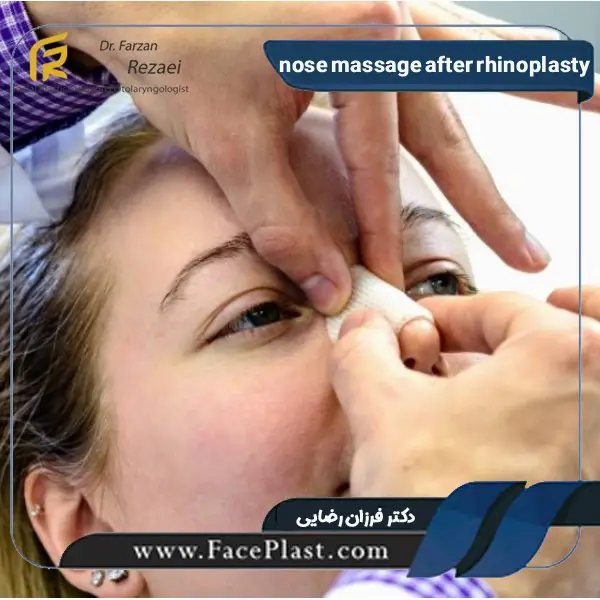

Rhinoplasty is a surgical procedure aimed at reshaping the nose for aesthetic or functional purposes. Whether for enhancing facial harmony, correcting breathing issues, or treating deformities caused by injury, this surgery has gained significant popularity worldwide. Patients who travel long distances to reach their chosen rhinoplasty surgeon often worry about the impact of air travel on their recovery, particularly in the early post-operative period. This article explains everything you need to know about flying after rhinoplasty, examining key aspects such as swelling, pressure, risks, medications, and the recovery process.
The Impact of Air Travel on Recovery After Rhinoplasty
Air travel exposes patients to cabin pressure changes, which can affect the healing process after surgery. The primary concern is increased sinus pressure during ascent and descent, which may worsen swelling after rhinoplasty and discomfort in the nasal area. Additionally, the dry air inside the cabin can lead to nasal dryness and irritation, creating potential complications during the initial healing phase when nasal passages are still recovering.
How Long Should You Wait Before Flying After Rhinoplasty?
Patients often ask about the appropriate waiting time before flying after rhinoplasty. While it is essential to consult with a specialist surgeon for personalized advice, most surgeons recommend avoiding air travel for at least one to two weeks after the procedure.
This initial period allows the healing process to progress and reduces the risk of post-operative complications such as bleeding and increased swelling. However, for long-haul flights or extensive travel plans, it is advisable to wait a few extra weeks to ensure optimal recovery and avoid any potential risks.
Recommendations for Patients Traveling from Other Cities or Countries
If you need to travel by air for surgery, careful planning and proper coordination are crucial for a smooth and comfortable recovery. Before surgery, consult with your surgeon about your travel plans and post-operative care. It is generally recommended to allocate a few weeks for recovery before returning home.
Additionally, schedule necessary follow-up appointments with your surgeon to monitor your healing progress and address any concerns. During the initial weeks after surgery, prioritize rest and avoid strenuous activities. When flying, review the airline’s policies regarding post-surgical travel and take the necessary precautions for a more comfortable experience. Adhering to recovery recommendations and attending regular follow-ups will optimize the healing process and ensure successful results.
Potential Risks and Complications of Early Air Travel After Surgery
While flying after rhinoplasty is generally safe, there are some potential risks and complications to consider:
Increased swelling: Cabin pressure changes and reduced movement during flights may lead to increased swelling, particularly in the nasal area.
Risk of bleeding: Changes in air pressure and physical activity during travel may raise the risk of post-operative bleeding, especially in the early days following surgery.
Risk of infection: Exposure to germs and bacteria in the confined space of an airplane cabin may increase the risk of infection, particularly when surgical incisions are still fresh.
For a direct consultation with Dr. Farzan Rezaei, please call the number below.
Discomfort and pain: Patients may experience discomfort, pain, or nausea after rhinoplasty during the flight, especially before the healing process is fully completed.
Managing Swelling and Pressure During the Flight
To minimize discomfort and reduce the impact of cabin pressure changes during air travel, patients can take the following precautions:
Use a nasal spray: Saline sprays can help keep the nasal passages moisturized and prevent dryness during the flight. However, consult your surgeon before using decongestant sprays, as they may negatively impact the healing process.
Stay hydrated: Drinking plenty of water before and during the flight is essential to prevent dehydration and reduce nasal dryness and discomfort.
Take prescribed medications: If recommended by your surgeon, take pain relievers or decongestants as directed to manage swelling and alleviate potential discomfort during the flight.
Apply a cold compress: Carry a cold compress or an ice pack and gently apply it to the nasal area during the flight to help reduce swelling and enhance comfort.
Avoid heavy activities: Refrain from lifting heavy objects or engaging in strenuous activities during the flight, as these actions can increase blood flow to the nasal area and exacerbate swelling.
By following these recommendations and planning accordingly, patients can travel by air after rhinoplasty with minimal complications and discomfort.

