


Blog
Nasal Itching After Rhinoplasty
- Dr Farzan Rezaei



Your rhinoplasty journey has concluded, and you’re ready to be discharged from the medical center. However, this is not the end of the process; there is still a path to travel before reaching the final results. During this recovery period, you may experience certain side effects that can be logically referred to as post-surgery complications. Following specific instructions can ensure a smoother recovery process. In this article, we will discuss nasal itching after rhinoplasty and explore strategies to manage and alleviate this post-surgery issue.
Causes of Nasal Itching After Rhinoplasty
During the rhinoplasty process, the structure of the nose is altered. In addition to improving the appearance of the nose, a skilled surgeon addresses any functional issues. As a result of the interventions made to create these changes, the body responds in various ways, one of which is nasal itching after the surgery. While this side effect might seem unusual, it is a natural bodily reaction as it attempts to heal the operated area.
The primary cause of nasal itching after rhinoplasty is the body’s response to the healing process. However, this is not the only reason, as other factors also contribute to this sensation, as outlined below:
Reaction to Medications
Some medications prescribed during the recovery period can trigger nasal itching. This reaction can be considered an allergic response in certain individuals.
Nasal Dryness
It is not uncommon for parts of the nasal passages to become dry after the surgery. This dryness can contribute to the sensation of itching in the nose post-operation.
Can Swelling Cause Nasal Itching?
As the swelling in the nose reduces, the skin gradually tightens. This tightening can irritate the skin, leading to an itchy sensation in the nose.
Itching Beneath the Nasal Cast
While the nasal cast is applied, the skin cannot be exposed to fresh air, which can irritate the skin and cause itching beneath the cast.
Does Everyone Experience Nasal Itching After Surgery?
The recovery process varies from person to person, so the range of post-surgery side effects, including nasal itching or headache after rhinoplasty , is not the same for everyone. Due to physiological differences and factors such as adherence to post-surgical care, the extent of side effects during the recovery period differs between individuals.
For a direct consultation with Dr. Farzan Rezaei, please call the number below.
How can I stop the inside of my nose from itching?
To relieve itching inside your nose, especially after surgery or due to dryness or allergies, it’s important to keep the nasal passages moist. Using a saline nasal spray several times a day can help soothe irritation and maintain hydration. A humidifier in your room can also prevent dryness in the air. Avoid scratching or inserting anything into your nose, as this can cause injury or infection. If the itching persists or is accompanied by other symptoms, consult a doctor to rule out allergies or post-surgical complications.
How to Reduce Nasal Itching After Surgery?
Nasal itching is one of the prominent post-surgical effects. Although it can primarily be attributed to the healing process and regarded as a sign of recovery, it can be unpleasant. Therefore, implementing some strategies to manage and reduce the sensation of itching can help alleviate discomfort. Below are some of these management tips:
Regular Nasal Irrigation
Regularly rinsing after rhinoplasty with saline solution not only keeps your nose hydrated and helps relieve dryness but also effectively reduces nasal itching.
Avoid Manipulating the Nose
When you feel your nose itching, you may be tempted to touch or manipulate it with your fingers. Avoid this at all costs, as it could expose your nose to infection and exacerbate the itching sensation.
Using Humidifiers
Since nasal dryness can aggravate itching, using a humidifier to ensure the air you breathe is moist can be beneficial.
Is Massaging the Nose Effective for Alleviating Itching?
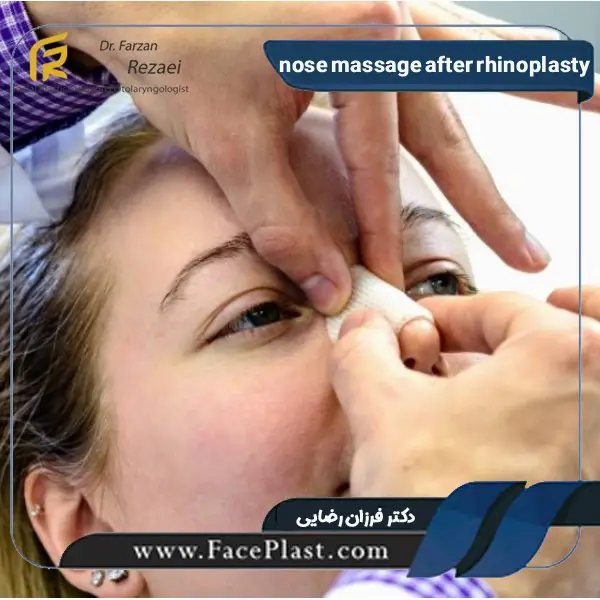
Gently massaging the areas surrounding the nose can stimulate blood flow to the operated region, enhancing the speed and quality of healing. As healing progresses, nasal itching will subside more quickly. However, be cautious not to massage the operated area itself. Only gently massage the surrounding regions.
side effects of nasal itching after rhinoplasty
After rhinoplasty, nasal itching is a common and usually mild side effect that occurs as the internal tissues of the nose heal. This itching can cause mild discomfort, sneezing, and a frequent urge to touch or rub the nose, which should be avoided to prevent irritation or minor bleeding. It may also be accompanied by temporary dryness or crusting inside the nasal cavity and increased sensitivity to environmental irritants such as dust or pollen. Fortunately, these symptoms are typically temporary and gradually subside as the healing process continues. Using a saline nasal spray and following post-operative care instructions can help relieve itching and support proper recovery.

