Rhinoplasty is a type of plastic surgery that, in addition to affecting the patient’s respiratory system, has a significant impact on facial aesthetics. However, apart from the role of a skilled surgeon, post-operative care plays a crucial role in the outcome and recovery process. One of the routine aspects of personal hygiene is brushing teeth, which must be done several times a day to prevent oral and dental diseases. However, after surgery, even this daily routine requires special attention. One of the most common questions patients ask is whether brushing teeth after rhinoplasty has specific considerations. In the early days when the nose is covered with a splint and nasal packing, and minimal facial movement and pressure must be avoided, it is essential to consult your surgeon regarding this matter. This article provides general information that can help you become more aware of the necessary precautions.
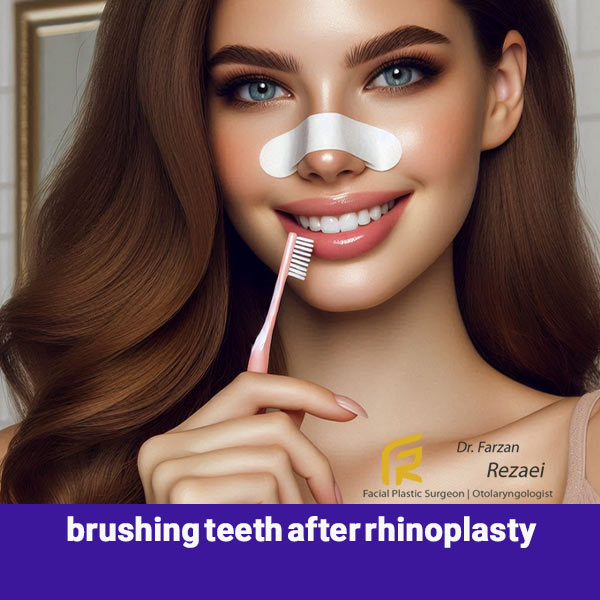
Is Brushing Teeth After Rhinoplasty Safe?
Brushing teeth is an essential part of oral hygiene and an important factor of rhinoplasty aftercare instructions. However, immediately after surgery, your nose will be very sensitive, requiring extra caution to avoid damage to the delicate nasal structures. Depending on the type of surgery you have undergone, your surgeon may advise you to refrain from brushing your teeth for a short period. For example, if your surgery involved reconstructing nasal structures, such as correcting a deviated septum, brushing immediately after surgery may not be advisable.
Why Is Oral Hygiene Important After Surgery?
Maintaining oral hygiene after all types of surgery such as preservation rhinoplasty is essential for several reasons. First, it helps prevent infections that could interfere with the healing process. Brushing your teeth after rhinoplasty prevents harmful bacteria from accumulating in the mouth and entering the bloodstream. If bacteria enter the bloodstream, they may cause complications at the surgical site. Therefore, oral and dental care is a crucial part of post-operative recovery, contributing to a smooth healing process.
Additionally, although there is no direct connection between the nose and mouth, maintaining oral hygiene can help reduce discomfort during recovery. After surgery, you may experience some degree of facial swelling, including around the mouth. This swelling can make daily activities, such as brushing teeth, more difficult. However, keeping the mouth clean reduces issues like dryness or bad breath and helps minimize inflammation.
Beyond infection prevention, brushing teeth after rhinoplasty also supports overall health. A clean mouth makes you feel better and contributes to a smoother recovery experience. Proper oral hygiene and brushing after surgery can also prevent future issues such as gum disease or tooth decay—problems you definitely do not want to deal with during your recovery period. Therefore, brushing after rhinoplasty and maintaining oral hygiene should be considered an essential part of post-operative care to ensure a smooth and complication-free recovery.
Does brushing your teeth after rhinoplasty affect the surgical outcome?
Brushing your teeth after rhinoplasty doesn’t directly affect the surgical result, but it should be done with caution. Excessive facial movement, especially in the upper lip area, can strain the healing nasal tissues and potentially shift the delicate structures. During the first week, use a soft toothbrush and brush gently to avoid unnecessary pressure. Avoid wide mouth movements like aggressive spitting or laughing. With careful oral hygiene, you can keep your mouth clean without compromising your nose job results.
When Can You Start Brushing Your Teeth After Rhinoplasty?
After surgery, it is crucial to avoid stimulating the operated area as much as possible, especially during the early healing stages. This includes brushing teeth after rhinoplasty. Although maintaining oral hygiene is important, brushing your teeth after rhinoplasty can cause discomfort or even harm due to the proximity of the mouth and nose. For this reason, most surgeons recommend refraining from brushing for at least 24 hours after surgery.
Proper Brushing Technique After Rhinoplasty
Once you resume brushing your teeth, you must do so gently and carefully. This means using a softer toothbrush than usual or adjusting your brushing technique to avoid aggressive movements that could negatively impact the nose. The goal is to clean your teeth effectively without applying unnecessary pressure to the healing nose. Remember, post-operative care is not just limited to the nose itself but also includes adapting daily activities, such as brushing, to ensure a smooth recovery.
Using Mouthwash After Rhinoplasty
Oral hygiene should never be neglected. Until you can fully resume brushing, you can maintain cleanliness by using an antibacterial mouthwash or warm saltwater rinses. Additionally, if you feel comfortable, you may gently brush only the front teeth. Listen to your body and proceed at a pace that feels right for you. By following these guidelines and paying attention to oral hygiene in the early days after surgery, you can have a smoother recovery while keeping your mouth healthy.
Important Tips for Brushing Teeth After Rhinoplasty
Once you are ready to resume brushing your teeth after surgery, it is crucial to do so in a way that does not disrupt the healing process. Here are some practical recommendations for maintaining oral hygiene during recovery:
Use a soft toothbrush:
Toothbrushes with soft bristles can effectively clean your teeth while minimizing discomfort in the healing nasal area. These toothbrushes are gentler on the gums and reduce the risk of harming the sensitive post-operative nasal structures.
Brush gently:
Avoid vigorous hand movements while brushing after rhinoplasty, as this may put pressure on the nose. Instead, use gentle circular motions to minimize the risk of pain or discomfort.
Choose a mild toothpaste:
Some toothpastes contain strong flavors such as mint or whitening agents, which can cause a burning or irritating sensation in the mouth and nasal passages. During recovery, use a mild toothpaste to avoid these issues.
Rinse carefully:
When rinsing your mouth, avoid forcefully swishing water around. Let the water flow gently over your teeth to prevent unnecessary pressure on the nose.
Take your time:
Brush your teeth patiently and thoroughly, ensuring that they are clean without applying excessive pressure to the surgical area.
Listen to your body:
If you experience discomfort while brushing, stop immediately and avoid excessive pressure. The primary goal is to maintain oral hygiene without compromising the healing process.
When Can I Use Mouthwash After Rhinoplasty?
Generally, it is safe to use mouthwash about a week after surgery. However, for added safety, consult your surgeon for personalized advice based on your specific condition.
Can I Use an Electric Toothbrush After Rhinoplasty?
Although electric toothbrushes are effective for oral hygiene, it is recommended to avoid using them in the early stages of recovery. During this period, it is best to use a manual toothbrush with soft bristles to prevent any discomfort or negative effects on the nose.
Should I Avoid Flossing After Rhinoplasty?
Flossing is an important part of oral hygiene but should be done carefully. Avoid putting too much pressure on the nose while flossing. If you experience discomfort, stop and wait until you feel more comfortable.
Can I Use Special Toothpaste After Rhinoplasty?
It is best to use mild toothpaste that does not contain strong flavors or whitening agents during the early healing phase. If you have specific oral health needs that require a particular toothpaste, consult your doctor before use.
Is Tooth Sensitivity Normal After Rhinoplasty?
Some patients may experience temporary tooth sensitivity after rhinoplasty. This can occur due to changes in blood circulation or swelling. If your tooth sensitivity is severe or prolonged, consult your surgeon.