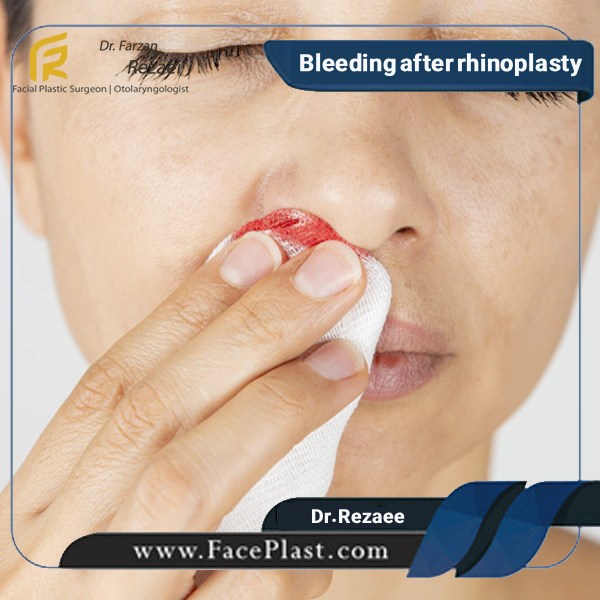
While rhinoplasty‘s goal is to refine and harmonize facial proportions, many patients worry about one key question the appearance of scars after surgery. A rhinoplasty scar can vary from almost invisible to slightly noticeable, depending on several factors like surgical technique, skin type, and postoperative care. Understanding how and why these scars form and how to manage them can make all the difference in achieving a flawless outcome.
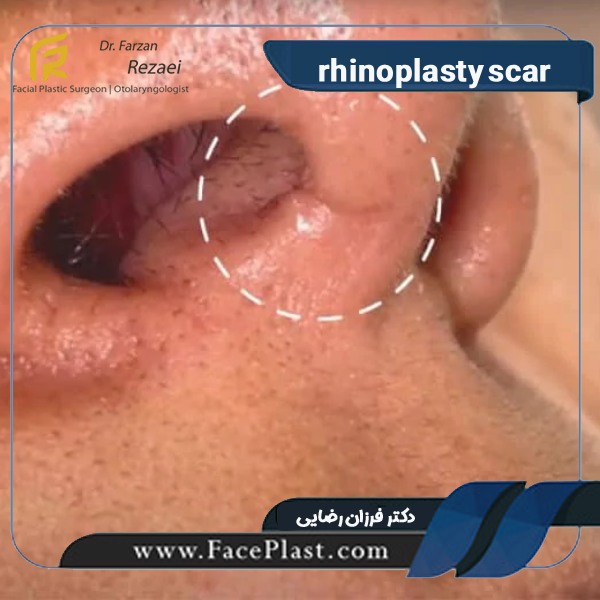
What do nose job scars look like?
The appearance of rhinoplasty scars depends primarily on whether the procedure is performed using an open or closed technique. In closed rhinoplasty, all incisions are made inside the nostrils, leaving no visible external marks. However, in open rhinoplasty, a small incision is made across the columella the thin strip of tissue separating the nostrils. Initially, this incision may appear slightly pink or red and feel firm to the touch. Over time, as healing progresses, the scar usually fades to a faint, barely perceptible line that blends seamlessly with the natural creases of the skin. For most patients, it becomes virtually invisible within several months. In rare cases, especially among individuals prone to hypertrophic or keloid scarring, the scar may become raised, darker, or thicker than the surrounding tissue. These occurrences are uncommon and often treatable with proper interventions.
the reasons of rhinoplasty scar
Scar formation after rhinoplasty is a natural part of the body’s healing process. When the skin and underlying tissues are incised, the body produces collagen fibers to repair the area. Excess collagen production can sometimes cause the tissue to become raised or discolored. Several factors influence how a rhinoplasty scar develops:
Surgical technique: The precision of incision placement and how the skin is sutured play a critical role. A skilled surgeon minimizes tissue tension and aligns the wound edges carefully to reduce scar visibility.
Skin type: Patients with thicker or oilier skin may heal differently than those with thin, delicate skin.
Genetics: Some individuals are genetically predisposed to developing more prominent scars.
Infection or trauma: Poor postoperative hygiene or bumping the nose during recovery can disrupt healing.
Sun exposure: UV rays can darken healing tissue, making scars more noticeable.
Does a rhinoplasty scar go away?
In most cases, yes rhinoplasty scars gradually fade over time. The healing timeline varies from person to person but generally follows a predictable pattern. During the first few weeks, the scar may look red or slightly swollen. By the third or fourth month, the color typically lightens, and by six months to a year, it often becomes nearly invisible. That said, complete disappearance is not always guaranteed. The visibility of a scar depends on factors like skin tone, the amount of tension at the incision site, and the body’s collagen response. For those with persistent or visible scarring, several medical treatments can accelerate healing and improve appearance:
Laser therapy to smooth texture and even out pigmentation
Steroid injections to flatten raised scars
Silicone gels or sheets to hydrate and soften healing tissue
Microneedling to stimulate collagen remodeling in stubborn cases
How to reduce scar tissue formation after rhinoplasty?
Preventing or minimizing scar tissue formation begins the moment surgery ends. Consistent care, patience, and adherence to medical advice are key to achieving optimal healing. Here are the most effective strategies:
Follow post-op instructions carefully. Keep incisions clean and dry, and avoid touching or picking at the area
Avoid sun exposure. Use sunscreen or wear a hat to prevent hyperpigmentation on the healing skin
Apply topical treatments. Use silicone-based ointments or doctor-recommended healing creams to maintain skin elasticity
Stay hydrated and maintain a balanced diet. Nutrients like vitamin C, zinc, and protein promote collagen synthesis and tissue repair
Avoid smoking and alcohol. These slow down blood flow and delay the healing process
Massage gently if advised. Light massage can prevent stiffness and improve circulation, helping the skin heal smoothly
Keep follow-up appointments. Regular check-ins with your surgeon allow for early intervention if abnormal scar tissue begins to form
By staying proactive and attentive, patients can significantly reduce the risk of developing visible or problematic scars
side effects of Internal scar tissue after rhinoplasty
While most concerns focus on external scars, internal scar tissue can also form after rhinoplasty and it can be more troublesome. Internal scarring, known as adhesions, occurs when fibrous tissue develops within the nasal passages during healing. This can sometimes interfere with airflow or alter nasal symmetry. Common symptoms of internal scar tissue include:
Persistent nasal congestion or blockage
Difficulty breathing through one or both nostrils or difficulty in sense of smell after rhinoplasty
Whistling or crackling sounds when inhaling
A sense of tightness or pulling inside the nose
If these symptoms appear, an evaluation by the surgeon is essential. Minor cases may improve with steroid sprays or nasal massage, while severe cases could require a minor corrective procedure to remove or release the scar tissue. Fortunately, with careful surgical planning and attentive aftercare, internal scarring is relatively rare.
Maintaining a Smooth Recovery
Rhinoplasty is as much about patience as it is about precision. Scars both internal and external are simply part of the body’s natural healing response. Most fade beautifully when cared for correctly. To ensure the best results, patients should stay consistent with aftercare routines, protect their skin from the sun, and keep open communication with their doctor throughout recovery. It’s also crucial to manage expectations: healing takes time. The final appearance of your nose and skin texture might not fully settle until 12 to 18 months post-surgery. During that time, minor swelling, tightness, or subtle textural differences are completely normal.
Final Thoughts
A rhinoplasty scar does not have to be a source of concern. With the right combination of surgical expertise, disciplined aftercare, and modern treatment options, most patients enjoy a beautifully refined nose without any visible trace of surgery. What remains is confidence and the reassurance that even the body’s smallest marks are simply reminders of its remarkable ability to heal and transform.