


Blog
Swelling After Rhinoplasty
- Dr Farzan Rezaei

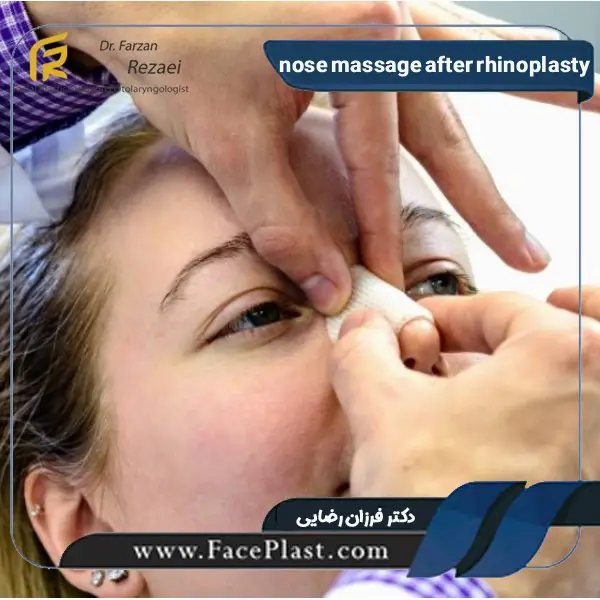

nose surgery is an intricate blend of art and science, a transformative procedure that reshapes the nose while subtly altering the contours of the face. However, one of the most common and often frustrating aspects of recovery is swelling after rhinoplasty. It can be alarming to witness a puffy , distorted nose after surgery , especially when expectations are high. Yet , this is a perfectly normal and predictable part of the healing journey.
Why does swelling occur after a rhinoplasty?
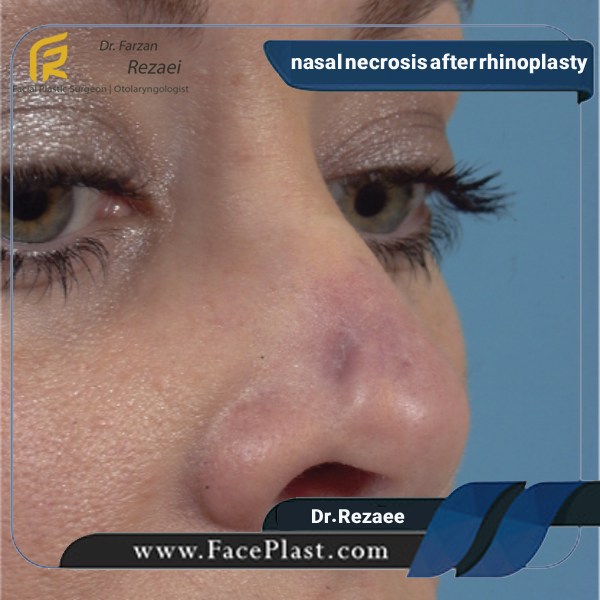
Swelling is your body’s natural response to trauma. During rhinoplasty, various tissues including skin, cartilage, and sometimes bone are manipulated. These surgical modifications trigger inflammation as a defense mechanism. Capillaries leak fluid into the surrounding tissues, causing the nose to appear swollen and often bruised. In open rhinoplasty, where the incision is made at the columella (the soft tissue between the nostrils) , the swelling is usually more pronounced than in closed techniques. Factors such as skin thickness, surgical extent, and individual healing response also contribute. The body instinctively protects itself while initiating repair.
How Long Does Swelling Last After Rhinoplasty?
The duration of swelling can be surprisingly long for some patients. In the first week post-op, swelling is typically at its peak, and most of the dramatic puffiness resides in the upper nose and around the eyes. By the end of the second week, you’ll likely notice a significant reduction. While about 70-80% of the swelling subsides in the first three months , residual swelling especially at the nasal tip can persist for up to a year or even longer in patients with thicker skin. Subtle refinements in shape become more evident over time as the swelling dissipates, often requiring patience and realistic expectations.
Why is my nose still big 2 months after rhinoplasty?
It’s completely normal for your nose to still look swollen or bigger two months after rhinoplasty. At this stage, the healing process is ongoing, and residual swelling especially around the nasal tip can persist for several months. The final shape of the nose usually becomes more defined between 6 to 12 months post-surgery as the tissues settle and swelling subsides. Be patient and follow your surgeon’s aftercare instructions to help reduce inflammation and promote optimal healing.
Rhinoplasty Swelling Progression
The rhinoplasty swelling progression follows a general but individualistic timeline:
- Days 1–3: Swelling peaks. Bruising and discoloration around the eyes are prominent. Ice packs and elevation are essential.
- Week 1: Swelling begins to decrease, and external splints are usually removed by the end of the week.
- Week 2: Facial appearance becomes more socially acceptable, although some swelling lingers.
- Months 1–3: Gradual improvement in nasal definition. Dorsum (bridge) takes shape, but the tip may still look round or bulbous.
- Months 6–12: Swelling continues to fade. Most patients see their “final” result between 9 to 12 months.
- Beyond 12 months: Especially in complex or revision cases, slight swelling may remain for longer durations.
Understanding the rhinoplasty swelling progression helps manage anxiety and prevents premature judgments about the surgical outcome.
How to Reduce Swelling After Rhinoplasty
Managing swelling requires a proactive approach and strict adherence to postoperative instructions. Some of the most effective strategies for how to reduce swelling after rhinoplasty include:
- Avoid strenuous activities: High blood pressure can worsen swelling.
- Limit salt intake: Sodium causes fluid retention and can exacerbate swelling.
- Stay hydrated: Water flushes out excess sodium and toxins , helping to balance fluids.
- Avoid alcohol and tobacco: Both can impair circulation and slow down the healing process.
- Gentle lymphatic drainage massage: (under surgeon supervision) Can aid in reducing fluid build-up.
- Cold compresses: Effective only within the first 48–72 hours. After this window , they may no longer be beneficial.
- Keep your head elevated: Especially during the first two weeks , sleeping after rhinoplasty with two pillows or in a recliner helps minimize fluid accumulation.
Does walking help reduce swelling after rhinoplasty?
Yes, walking can help reduce swelling after rhinoplasty when done gently and in moderation. Light walking improves blood circulation, which helps flush out excess fluids and reduce inflammation in the healing tissues. It also prevents complications like blood clots that may occur from prolonged rest. However, patients should avoid vigorous exercise or bending over during the first few weeks, as these can increase blood flow to the face and worsen swelling. Slow, relaxed walks are ideal for promoting recovery without straining the body.
Supplements to reduce swelling after rhinoplasty
Several supplements have gained popularity among surgeons and patients alike for their role in accelerating recovery. While it’s essential to consult your surgeon before taking anything and start to rinsing nose after rhinoplasty, the following are often recommended as supplements to reduce swelling after rhinoplasty:
Zinc: Supports wound healing and enhances the immune response.
For a direct consultation with Dr. Farzan Rezaei, please call the number below.
Quercetin: A plant flavonoid with anti-inflammatory and antioxidant effects.
Vitamin C: Crucial for collagen production and tissue repair. It strengthens blood vessels and supports immune function.
Arnica Montana: A homeopathic remedy widely used to reduce bruising and swelling. Available in tablet or topical form.
Bromelain: An enzyme derived from pineapple , known for its anti-inflammatory properties. Helps break down proteins that trap fluids in tissues.

