nose taping after rhinoplasty + benefits of taping
Rhinoplasty, or nose surgery, is a delicate procedure that requires meticulous care during recovery. One of the most common questions patients ask is about nose taping after rhinoplasty. Although it may seem like a minor step, taping can significantly influence the final outcome of your nose and help maintain the shape achieved during surgery. Understanding its purpose, techniques, and benefits can make your recovery smoother and ensure optimal results.
Does taping your nose after rhinoplasty help?
The answer is yes, when done correctly, taping provides gentle support to the nose. It helps control swelling, protects the delicate structures of the nose, and ensures the newly sculpted nasal bones and cartilage settle in the desired position. Taping does not replace internal splints or the surgeon’s guidance, but it complements other post-operative measures to maintain symmetry and reduce irregularities.
Why is nose taping after rhinoplasty important?
After surgery, tissues are inflamed and sensitive, and gravity naturally exerts pressure that can slightly alter the shape of your nose. Taping acts as a gentle brace, guiding the healing tissues and cartilage to maintain their intended form. It also helps minimize swelling, particularly on the bridge and tip of the nose, which can persist for weeks or even months after the operation. In essence, taping is a simple yet effective method to enhance the precision of your surgical results. also tape can protect nose shape in sleeping after rhinoplasty.
What Are the Advantages of Taping the Nose After Rhinoplasty?
The benefits extend beyond just cosmetic appearance. Some of the main advantages include:
- Protection: Provides a barrier against accidental bumps or minor trauma while the nose is still fragile.
- Swelling Control: Taping compresses tissues slightly, preventing fluid accumulation and reducing edema in the nose.
- Shape Maintenance: Helps maintain the refined contours of the nose, especially the bridge and tip, during the crucial early healing phase.
- Psychological Comfort: Many patients feel reassured knowing their nose is supported, which reduces anxiety about post-surgery changes.
How to Put Tape on the Nose After Nose Job?
Follow these steps for safe and effective taping:
- Clean the Area: Gently clean and dry your nose before applying the tape to prevent irritation or infection.
- Choose the Right Tape: Use a medical-grade surgical tape that is gentle on the skin but provides enough support.
- Apply Gently: Place the tape with minimal tension, smoothing it down without causing discomfort or blanching the skin.
- Monitor Skin Health: Remove the tape once a day for skin cleaning and check for redness or irritation before reapplying.
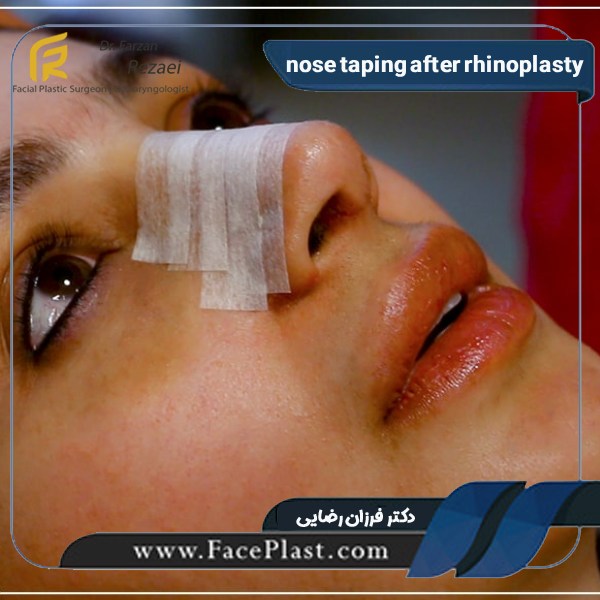
- Shape the Tape: Cut small strips that match the contours of your nose. Most patients apply one strip along the bridge and two smaller strips on the sides of the nose tip.
How tight should I tape my nose after rhinoplasty?
The tape should support the nose without restricting blood flow or causing pain. Overly tight taping can lead to skin irritation, pressure sores, or even compromise healing. Conversely, loose taping offers minimal benefit. The ideal tension is snug enough to hold the nasal tissues in place while remaining comfortable throughout the day.
How long do I need to tape my nose after surgery?
Typically, taping is recommended for the first 2 – 6 weeks post-surgery. The first two weeks are the most critical for controlling swelling and supporting newly positioned tissues. Some surgeons advise continued nightly taping for several more weeks to ensure optimal shaping, especially if the tip of the nose was refined or the bridge narrowed. Always follow your surgeon’s specific timeline to avoid interfering with healing.
Tips for a Comfortable Taping Experience
- Use Skin-Friendly Tape: Prevent irritation by choosing hypoallergenic medical tapes.
- Avoid Moisture: Keep the tape dry, as sweat or water can reduce adhesion and effectiveness.
- Change Daily: Remove the tape at night for skin cleansing and apply a fresh strip in the morning.
- Monitor for Irritation: Slight redness is normal, but persistent discomfort or sores require consultation.
- Combine with Other Recovery Measures: Use cold compresses, keep your head elevated, and avoid strenuous activity to maximize the benefits of taping.
Can taping nose change its shape?
Taping the nose after rhinoplasty can help support the healing tissues, reduce swelling, and guide the skin to adapt more smoothly to the underlying structure, but it cannot drastically change the nose’s actual shape on its own. The tape mainly controls edema and prevents the skin from lifting or swelling unevenly. Any structural changes in the nose come from the surgical modifications made by the surgeon, not from taping. While taping can slightly refine the nasal contour during early healing, it does not reshape cartilage or bone. For lasting shape changes, only surgical adjustment is effective.
Conclusion
Nose taping after rhinoplasty is a simple yet powerful tool in the post-operative care regimen. By controlling swelling, maintaining the shape, and providing protection, it plays a key role in achieving a refined and balanced nasal appearance. Proper technique, gentle tension, and adherence to your surgeon’s guidance ensure that taping enhances the final results without causing complications. Whether you are curious about how to apply the tape or wondering how long it should stay on, understanding its purpose and advantages can make your recovery process more comfortable and effective.