Rhinoplasty, commonly known as nose surgery, is a transformative procedure that not only enhances facial aesthetics but also addresses functional concerns. This comprehensive guide will delve into the intricate world of rhinoplasty, exploring its various aspects, benefits, potential risks, and the crucial steps involved in the pre and postoperative phases. As we navigate through this article, we’ll uncover the SEO-friendly language to ensure that you not only gain valuable insights but also stay informed about the latest trends and techniques in the field of rhinoplasty.
The Significance of Rhinoplasty
Rhinoplasty, often referred to as the “nose job,” goes beyond mere cosmetic enhancements. It is a surgical procedure designed to reshape the nose, harmonizing it with the facial features and addressing any functional issues. The significance of rhinoplasty lies in its ability to boost self-confidence, correct breathing difficulties, and enhance overall facial harmony. As we explore the aesthetic and functional dimensions of rhinoplasty, it becomes evident that this procedure has evolved into a nuanced art form, where skilled surgeons sculpt the nose to achieve natural-looking results.
Preparing for rhinoplasty involves several important steps to ensure a smooth and successful surgery, as well as a comfortable recovery. Here are some preoperative tips to help you prepare for rhinoplasty:
rhinoplasty pre-operation tips
Choose a Qualified Surgeon: Research and select a board-certified and experienced plastic surgeon or otolaryngologist specializing in rhinoplasty. Ensure they have a good reputation and a proven track record of successful procedures.
Thorough Consultation: Schedule a thorough consultation with your chosen surgeon. Discuss your goals, expectations, and any concerns you may have. This is an opportunity to establish clear communication and ensure you and your surgeon are on the same page.
Medical Evaluation: Undergo a comprehensive medical evaluation. Your surgeon will assess your overall health, medical history, and any pre-existing conditions. Be transparent about your medical history and disclose any medications or supplements you are taking.
Quit Smoking: If you smoke, it’s advisable to quit several weeks before surgery. Smoking can impair the healing process and increase the risk of complications. Your surgeon may recommend complete cessation for a specified period before and after surgery.
Avoid Certain Medications: Your surgeon will provide a list of medications and supplements to avoid before surgery, as some may increase the risk of bleeding. This may include aspirin, ibuprofen, and certain herbal supplements. Follow your surgeon’s instructions meticulously.
Plan for Recovery: Arrange for someone to drive you home after surgery and assist you during the initial days of recovery. Ensure your home is prepared with necessary supplies, including comfortable pillows, ice packs, and any prescribed medications.
Stay Hydrated and Eat Well: Maintain a healthy diet leading up to the surgery. Staying well-hydrated and consuming nutritious foods can contribute to a smoother recovery process.
Follow Fasting Instructions: Adhere to any fasting instructions provided by your surgeon. Typically, you’ll be asked to refrain from eating or drinking for a specific period before the surgery.
Prepare Your Living Space: Create a comfortable and relaxing recovery environment at home. Consider organizing your living space to minimize the need for reaching or bending during the initial recovery period.
Set Realistic Expectations: Have realistic expectations about the outcome of the surgery and the recovery process. Your surgeon will provide information on what to expect, potential risks, and the timeline for recovery.
Arrange for Time Off Work: Plan for time off work or other commitments during the initial recovery period. This allows you to focus on healing and reduces stress.
Communicate with Your Surgeon: If you have any last-minute questions or concerns, do not hesitate to contact your surgeon. Open communication is essential to ensure a positive surgical experience.
By following these preoperative tips and closely adhering to your surgeon’s instructions, you can enhance the likelihood of a successful rhinoplasty and a smoother recovery process.
Benefits of Rhinoplasty
Enhanced Facial Harmony:Rhinoplasty is renowned for creating balance and symmetry in facial features. By carefully adjusting the size, shape, and proportion of the nose, surgeons can achieve harmonious results that complement the overall facial aesthetics.
Improved Breathing Function:Beyond aesthetics, rhinoplasty plays a crucial role in addressing functional concerns related to breathing difficulties. Surgeons can correct structural issues within the nose, such as a deviated septum, to enhance airflow and alleviate respiratory problems.
Boost in Self-Confidence:Many individuals choose rhinoplasty to address long-standing insecurities related to the appearance of their nose. A successful procedure can lead to increased self-esteem and a more positive self-image.
Correction of Birth Defects or Trauma:Rhinoplasty is often recommended for individuals with congenital nasal deformities or those who have experienced trauma resulting in nasal injuries. The procedure can restore both form and function in such cases.
What are the different surgical approaches to rhinoplasty?
Open Rhinoplasty
Open rhinoplasty is a surgical approach in which the surgeon creates a small incision across the columella—the narrow strip of tissue between the nostrils—and lifts the skin to fully expose the underlying nasal framework. This method provides maximum visibility and precision, making it ideal for complex cases that require detailed reshaping of cartilage, correcting asymmetry, or performing revision surgery. Because the surgeon has direct access to the nasal structures, adjustments can be made with greater accuracy, leading to more predictable outcomes. Although open rhinoplasty may result in slightly more swelling and a tiny external scar, it allows for superior control in intricate nasal modifications.
Closed Rhinoplasty
Closed rhinoplasty is a more conservative and minimally invasive approach in which all incisions are made inside the nostrils, leaving no external scar. This technique is typically used for patients requiring moderate adjustments, such as refining the nasal bridge or tip without major structural changes. Since the skin remains attached during the procedure, recovery tends to be faster and postoperative swelling is generally less pronounced compared to the open technique. Closed rhinoplasty is preferred when the surgeon does not need extensive visibility of the internal nasal anatomy, offering a subtle, efficient, and scar-free surgical option for suitable candidates.
Who is a good candidate for rhinoplasty?
Ideal candidates are individuals in good physical health, with realistic expectations and a fully developed nasal structure. Often, people who suffer from breathing difficulties, a deviated septum or dissatisfaction with the shape or size of their nose seek this procedure. Emotional maturity also plays a role understanding that results are subtle and personalized is key.
What is the best age to get a nose job?
Most surgeons recommend waiting until nasal growth is complete, typically around age 16 for girls and 17 for boys. However, emotional readiness and the reason for surgery are just as important as biological age. An early procedure can sometimes prevent years of self-consciousness, but careful consideration is always advised.
Preoperative Considerations
Comprehensive Consultation: A successful rhinoplasty journey begins with a thorough consultation with a qualified surgeon. During this phase, patients should openly discuss their goals, concerns, and medical history, allowing the surgeon to tailor the procedure to their specific needs.
Medical Evaluations and Testing: Prior to surgery, patients undergo a series of medical evaluations and tests to ensure they are in optimal health for the procedure. This may include blood tests, imaging studies, and a detailed examination of the nasal structure.
Open Communication: Effective communication between the patient and surgeon is paramount. Patients should clearly express their expectations, and surgeons should provide a realistic assessment of achievable outcomes.
Reviewing Surgical Techniques: Surgeons may employ different techniques in rhinoplasty, such as open or closed procedures. Understanding these approaches and their implications helps patients make informed decisions about their surgery.
Postoperative Care and Recovery
Immediate Aftercare: Following rhinoplasty, patients are closely monitored in the initial hours to ensure a smooth recovery. Proper wound care, pain management, and adherence to postoperative instructions are crucial during this phase.
Swelling and Bruising: Swelling and bruising are common after rhinoplasty. Patients are advised to keep their head elevated, use cold compresses, and follow the prescribed medications to manage these effects. The majority of swelling resolves within the first few weeks, while subtle changes continue over several months.
Follow-up Appointments: Regular follow-up appointments with the surgeon are scheduled to monitor progress and address any concerns. These appointments play a vital role in ensuring the long-term success of the procedure.
Patient Education: Informing patients about the expected timeline for recovery, potential side effects, and strategies to optimize healing empowers them to actively participate in their postoperative care.
complications and side effects
To prevent side effects after rhinoplasty and in order to achieve the best results, it is crucial to select a very experiences and skilled surgeon. some complications that may occur due to the ignorance of this important tip are as follow
Aesthetic Problems
One of the most common complications of an unsuccessful rhinoplasty is unsatisfactory changes in the appearance of the nose, which can make it look unattractive or unnatural. A complex revision surgery using cartilage grafts is often required to correct this issue. Unfortunately, this procedure is so delicate and intricate that it poses a significant challenge. To prevent this complication, it is crucial to choose a highly skilled surgeon with an artistic eye.
Bleeding and Infection
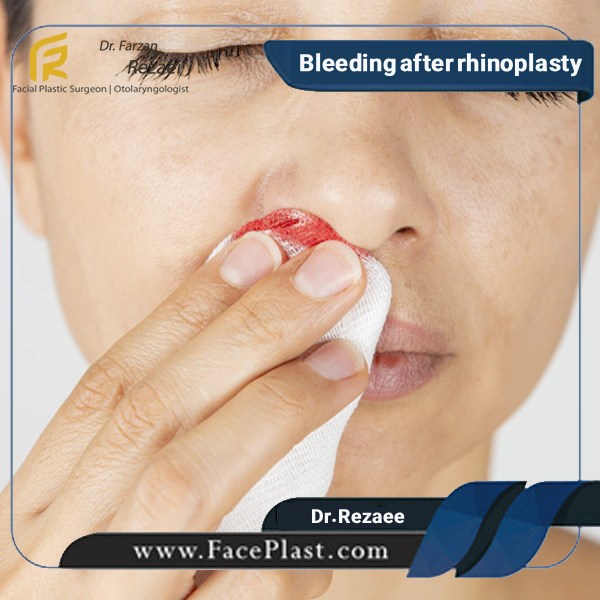
These complications are rare among patients operated on by skilled surgeons, but it’s important to be aware of them. Any time you undergo surgery, there is a potential risk of heavy bleeding or serious infection. Fortunately, there are various measures a surgeon can take to reduce these risks and ensure your safety. For instance, medications, supplements, and anti-inflammatories that increase bleeding risk are typically discontinued two full weeks before surgery. To prevent infection, your doctor may ask you to use a strong antibiotic cream for one week prior to surgery. Additionally, antibiotics will be administered during and after the procedure, and you’ll receive detailed post-operative care instructions to ensure your safety and support your recovery.
Breathing Difficulties
This is one of the complications that can significantly affect a patient’s quality of life. Most cosmetic rhinoplasty procedures involve reducing the size of the nose, which can sometimes compromise its function. As the nose becomes structurally weaker, the nasal passages may begin to collapse over time, leading to breathing issues. This can cause snoring and sleep disturbances. To prevent this complication, it’s essential to have your procedure performed by a surgeon who not only enhances the aesthetic appearance of the nose but also maintains its proper function.
Scarring
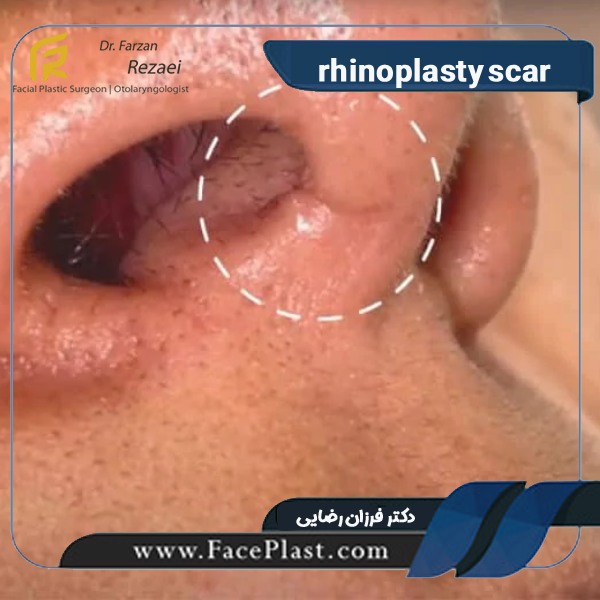
There are two main techniques for rhinoplasty. The first is the closed approach, which involves making incisions only inside the nose. The second is the open approach, which requires small incisions on the outside of the nose, specifically on the strip of skin between the nostrils. In both methods, poor scarring can lead to complications. For example, aggressive internal scar tissue can cause thickening, resulting in an uneven nasal contour. Visible and unpleasant scars on the outside can negatively affect your overall appearance and make it obvious that you’ve had nose surgery.
Septal Perforation
The nasal septum is the wall that separates airflow between the two sides of the nose. In rare cases, this wall may become perforated during rhinoplasty. This can lead to nasal pressure, whistling sounds when breathing, bloody discharge, dryness, breathing problems, discomfort, and eventually, collapse of the nasal structure over time. Whether this complication occurs largely depends on the skill of the surgeon—this is why choosing a carefully qualified and experienced surgeon is extremely important.
How painful is a nose job?
Surprisingly, most report mild discomfort rather than sharp pain. The sensation is often described as pressure or congestion, especially during the first few days post-op. Modern techniques, combined with tailored pain management protocols, have made recovery much more tolerable than most imagine.