Bleeding after rhinoplasty
Bleeding after rhinoplasty is one of the most common concerns among patients following nose surgery. While seeing blood after an operation can be alarming, in many cases it is a normal part of the healing process. Understanding why bleeding happens, how long it lasts, and when it may become a problem can help patients recover with greater confidence and peace of mind. This article explains everything you need to know about bleeding after rhinoplasty, from normal expectations to warning signs that require medical attention.
Is it normal for your nose to bleed after nose surgery?
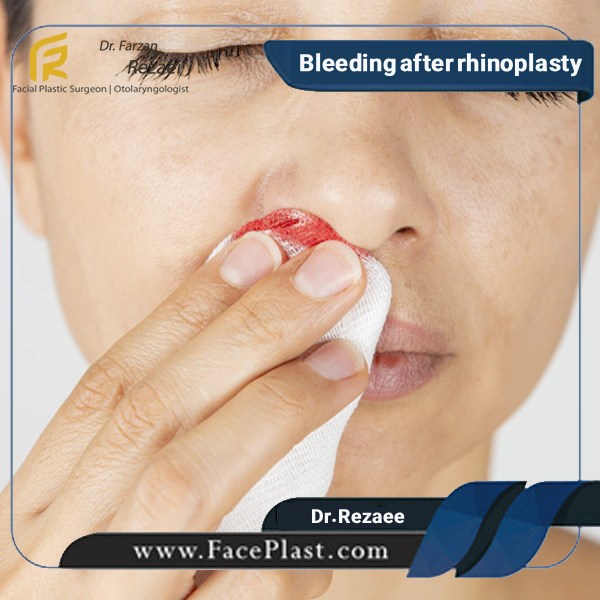
Yes, mild bleeding after rhinoplasty is completely normal, especially during the first few days after surgery. Rhinoplasty involves reshaping bone, cartilage, and soft tissues inside the nose, all of which contain small blood vessels. As a result, some bleeding or bloody discharge is expected during the early healing phase.
Most patients experience light bleeding or blood-tinged mucus rather than active bleeding. This may occur when changing nasal dressings, standing up, or during the first few nights after surgery. Minor bleeding does not usually indicate a complication and tends to improve gradually as the tissues heal.
However, heavy or persistent bleeding is not considered normal and should always be evaluated by a surgeon.
How long does it take for the nose to stop bleeding after surgery?
In most cases, noticeable bleeding decreases significantly within 24 to 72 hours after rhinoplasty. Light spotting or occasional bloody discharge may continue for up to one week, especially if nasal packing or internal splints were used. By the end of the first week, active bleeding usually stops completely. Some patients may still notice small amounts of dried blood or blood-stained mucus for several more days, which is part of normal healing. The exact duration depends on factors such as:
• The surgical technique used
• Whether the procedure was primary or revision rhinoplasty
• The patient’s blood pressure and clotting ability
• Adherence to post-operative care instructions
Following your surgeon’s recommendations plays a key role in how quickly bleeding resolves.
What are the reasons of bleeding after rhinoplasty?
Bleeding after rhinoplasty can occur for several reasons, most of which are harmless and temporary. Common causes include:
• Surgical trauma: Cutting and reshaping tissues inevitably affects small blood vessels.
• Increased blood pressure: Straining, bending over, or emotional stress can raise blood pressure and trigger bleeding.
• Nasal irritation: Sneezing, coughing, or touching the nose too soon after surgery.
• Dry nasal lining: Dry air can irritate healing tissues and cause minor bleeding.
• Use of certain medications: Aspirin, ibuprofen, and other blood-thinning drugs can prolong bleeding.
• Early removal of dressings or splints: Disturbing surgical support too soon may reopen healing vessels.
In rare cases, bleeding may be related to infection, improper healing, or an underlying clotting disorder, which requires medical evaluation.
How to stop bleeding after nose surgery?
While mild bleeding is expected, there are effective ways to minimize it and support proper healing after rhinoplasty:
• Keep your head elevated: Sleep with your head raised to reduce blood flow to the nose.
• Avoid strenuous activities: Exercise, heavy lifting, and bending should be avoided for at least two weeks.
• Do not blow your nose: Blowing the nose can disrupt healing tissues and restart bleeding.
• Use cold compresses: Applying cold packs to the cheeks (not directly on the nose) can help reduce bleeding and swelling.
• Follow medication instructions: Take only the medications prescribed by your surgeon.
• Stay hydrated and avoid dry air: Using a humidifier can help keep nasal tissues moist.
• Change dressings gently: Follow your surgeon’s instructions when cleaning or replacing nasal dressings.
If bleeding becomes heavier or does not slow down with these measures, contacting your surgeon is essential.
Is bleeding after rhinoplasty dangerous?
In most cases, bleeding after rhinoplasty is not dangerous and resolves on its own with proper care. Mild bleeding is part of the natural healing response and does not affect the final outcome of the surgery. However, bleeding may be considered dangerous if:
• It is heavy and continuous
• It does not improve after several days
• It is accompanied by severe pain, fever, or foul-smelling discharge
• It causes dizziness or weakness
These symptoms may indicate complications such as infection, hematoma, or damage to a larger blood vessel. Prompt medical evaluation is necessary in such situations to prevent further issues.
Final thoughts
Bleeding after rhinoplasty is a common and usually harmless part of recovery. Knowing what to expect, understanding the reasons behind it, and following post-operative care instructions can significantly reduce anxiety and promote smooth healing. Most patients find that bleeding subsides quickly and does not interfere with the final aesthetic results. When in doubt, staying in close contact with your surgeon is the best way to ensure a safe and successful recovery after nose surgery.