


Blog
Nasal Congestion After Rhinoplasty
- Dr Farzan Rezaei

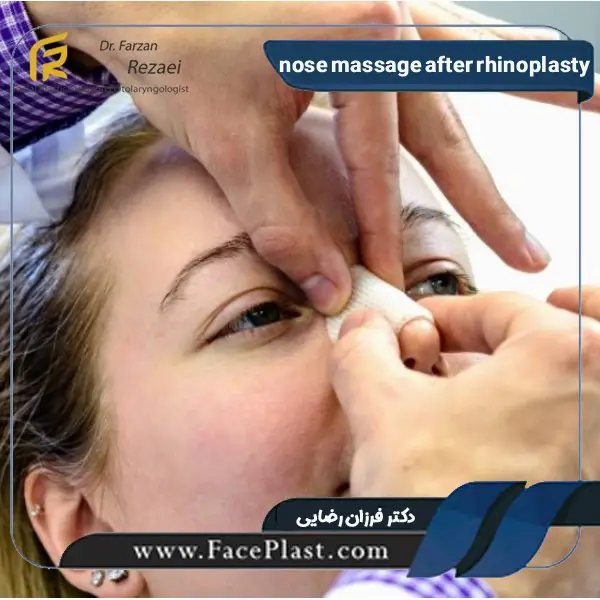

Nasal congestion after rhinoplasty is one of the most common complaints following rhinoplasty. Even though rhinoplasty is primarily a cosmetic procedure, it involves delicate manipulation of the nasal structures, which can temporarily affect breathing. Many patients are understandably concerned when they experience a blocked or stuffy nose in the days and weeks after surgery. Understanding why this happens, how long it might last, and ways to alleviate it can make the recovery period much more comfortable.
Is Nasal congestion after rhinoplasty normal?
It is perfectly normal for patients to experience some degree of nasal blockage immediately after surgery. The nose is highly vascular, meaning it has many tiny blood vessels, and surgical manipulation can cause swelling in the internal tissues. Additionally, splints, packing, or sutures placed inside the nasal cavity can temporarily obstruct airflow. Even gentle swelling in the nasal mucosa can significantly reduce airflow, leaving the patient feeling congested. Mild bleeding, crusting, and inflammation can further contribute to the sensation of a blocked nose. This congestion is not usually a sign of a complication unless accompanied by severe pain, fever, or unusual discharge. Recognizing that nasal congestion is a natural part of the healing process can help reduce anxiety during recovery.
What are the reasons of Nasal congestion after rhinoplasty
The primary causes include:
- Swelling of the nasal tissues: After surgery, the lining of the nose can become inflamed, reducing the airway space.
- Internal splints or packing: Temporary devices placed to support the nasal structure can physically block airflow.
- Crusting and dried blood: As the nose heals, blood and mucus can form crusts that obstruct breathing.
- Septal adjustments: If the surgeon corrects a deviated septum during the procedure, minor swelling around the septum can temporarily impede airflow.
- Allergic reactions or sensitivities: Some patients may experience increased mucosal sensitivity to anesthesia, medications, or nasal sprays.
How long does a stuffy nose last after rhinoplasty?
The duration of congestion depends on the individual and the extent of the surgery:
- First week: Nasal packing or splints may cause the most severe blockage.
- Weeks 2–3: Swelling inside the nasal cavity gradually decreases, but mild congestion often persists.
- Weeks 4–6: Many patients report significant improvement in airflow.
- Up to 6 months: Residual swelling, particularly in the nasal tip or around cartilage grafts, can cause intermittent congestion.
It is important to note that while congestion typically improves steadily, minor variations in airflow may continue for several months. Patience is essential, and patients should avoid forcing breathing or using nasal sprays not recommended by their surgeon.
How do you get rid of nasal congestion after rhinoplasty?
Patients often ask how do you get rid of nasal congestion after rhinoplasty to find relief from this uncomfortable symptom. Several strategies can help manage congestion effectively:
Saline nasal sprays or rinses: These keep the nasal passages moist, reduce crusting, and facilitate gentle clearing of mucus.
Humidifiers: Adding moisture to the air prevents drying of nasal tissues, which can exacerbate blockage.
Head elevation during sleep: Sleeping with the head slightly elevated reduces blood flow to nasal tissues, which minimizes swelling.
Avoiding strenuous activity: Exercise or heavy lifting can increase swelling and prolong congestion.
For a direct consultation with Dr. Farzan Rezaei, please call the number below.
Gentle breathing exercises: Controlled, gentle inhalation through the nose can maintain airflow without stressing healing tissues.
Follow-up care with the surgeon: Sometimes minor suctioning of crusts or professional cleaning is necessary to improve breathing.
Additional Tips for a Comfortable Recovery
- Be patient: Healing varies among individuals; nasal tissues may take several months to settle.
- Stay hydrated: Proper hydration supports mucosal healing and reduces dryness.
- Avoid smoking and irritants: Smoke, dust, or strong odors can worsen swelling and congestion.
Summary
Nasal congestion after rhinoplasty is a common, usually temporary symptom caused by tissue swelling, internal devices, or minor crusting. Understanding what are the reasons of Nasal congestion after rhinoplasty helps patients remain patient and proactive in their care. Knowing how long a stuffy nose lasts after rhinoplasty reassures patients that gradual improvement is normal, and following appropriate methods to manage congestion, such as saline rinses and head elevation, can greatly enhance comfort. By taking careful post-operative measures and following medical advice, most patients can expect a clear, unobstructed nasal airway and a smooth recovery over several weeks to months.

