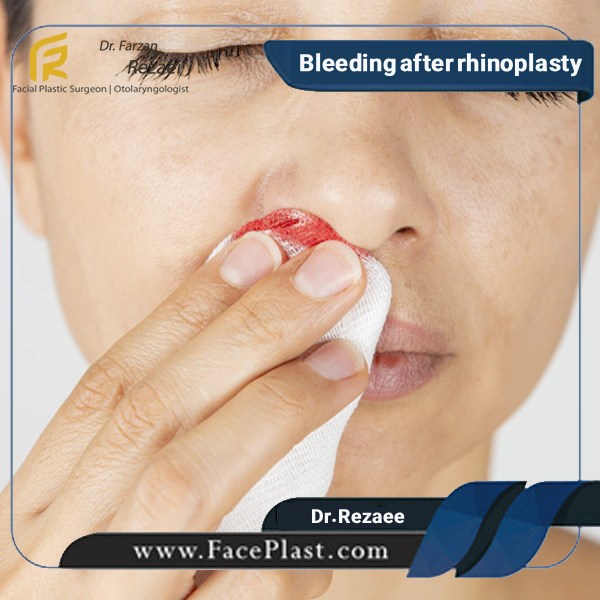
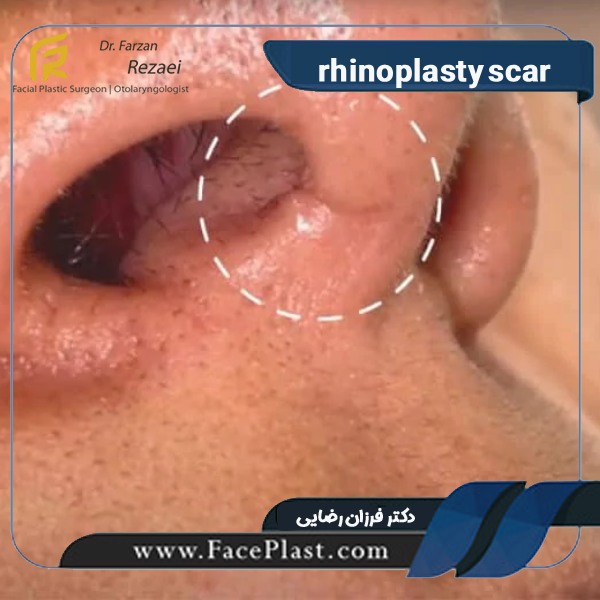
While much of the attention revolves around the aesthetic transformation of nose job , one of the most vital but less glamorous aspects is the use of rhinoplasty stitches. Stitches, or sutures, play a fundamental role in healing, stability, and the final outcome of the surgery. Understanding their purpose, types, and care is essential for any patient embarking on this journey.
The Reason of Rhinoplasty Stitches Usage
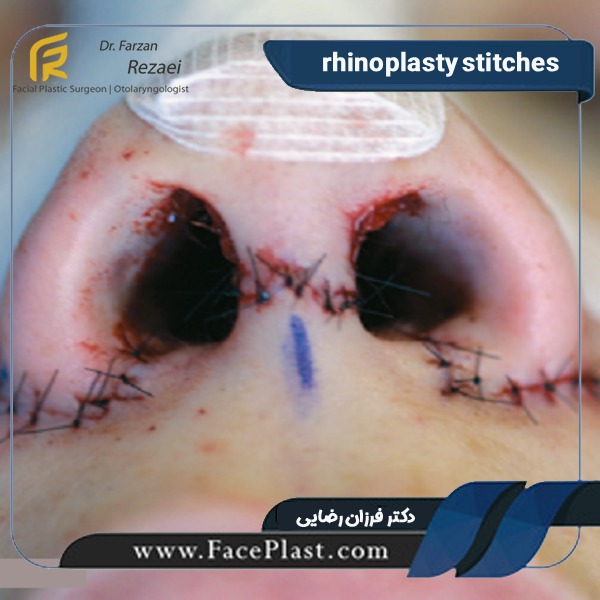
The nose is a delicate structure made up of cartilage, bone, and soft tissue. During surgery, precise incisions are made to reshape these components. The reason of rhinoplasty stitches usage lies in their ability to approximate and secure tissues while they heal. Stitches stabilize incisions, minimize bleeding, reduce the risk of infection, and ensure that the new nasal framework holds its intended shape. Without sutures, the likelihood of irregular healing, scar widening, or compromised aesthetic results would increase significantly.
When Do Stitches Come Out in Rhinoplasty?
External sutures, often placed across the columella (the strip of tissue between the nostrils) in open rhinoplasty, are typically removed between 5 to 7 days after surgery. Internal stitches, used inside the nostrils, are often dissolvable and may take anywhere from 1 to 6 weeks to fully disappear. The variability depends on the suture material used and the individual’s healing capacity.
What Stitches Are Used for Rhinoplasty?
The choice of suture material is not arbitrary. Surgeons carefully select the type of stitches based on the surgical technique and desired outcomes. Generally, two categories exist, absorbable and non-absorbable. Absorbable sutures, such as those made of polydioxanone (PDS) or poliglecaprone (Monocryl), gradually break down in the body and are ideal for internal use. Non-absorbable sutures, often nylon or polypropylene, may be used externally and require manual removal. Each has distinct benefits, with absorbable stitches reducing the need for removal and non-absorbable ones providing superior strength and predictability.
How Are Rhinoplasty Stitches Removed?
The process is straightforward and usually painless. For external stitches, a surgeon or nurse gently snips the suture knot and pulls the thread out with fine forceps. This quick procedure rarely takes more than a few minutes. If dissolvable sutures are present internally, they don’t require manual removal; instead, they slowly disintegrate and are absorbed by the body. Occasionally, small remnants may remain and can be carefully trimmed during follow-up visits.
How to Take Care of Rhinoplasty Stitches?
Proper aftercare is crucial for minimizing complications and optimizing cosmetic results. Patients should follow a meticulous but simple routine:
- Protect the nose from direct sunlight, which can darken scars and delay healing
- Avoid unnecessary manipulation of the nose, such as rubbing, pulling, or pressing the sutures
- Report any signs of infection, such as redness, swelling, or discharge, to the surgeon immediately
- Follow dietary guidelines to maintain good nutrition, as adequate protein and vitamins support tissue repair
- Keep the incision site clean by gently dabbing with saline or antiseptic solutions recommended by the surgeon
also it is really important to do the correct sleeping position after rhinoplasty to keep the rhinoplasty stitches safe.
Common Concerns About Rhinoplasty Stitches
Many patients worry about visible scarring. External stitches may leave a faint line on the columella, but when performed with precision and cared for correctly, this scar is usually inconspicuous. Others worry about stitch irritation, especially with dissolvable sutures. Mild itching is normal as the stitches dissolve, but persistent discomfort should be evaluated by the surgeon.
Another concern is stitch reaction, where the body treats the suture as a foreign object, causing redness or a small bump. These are typically minor and resolve once the stitches are removed or absorbed.
Log-Term Impact of Stitches on Rhinoplasty Results
While stitches are temporary, their influence on the final outcome is permanent. Proper placement ensures incisions heal with minimal scarring, supports delicate cartilage structures, and prevents undesirable changes like asymmetry or collapse. In other words, sutures are silent contributors to the artistry of rhinoplasty, ensuring that the surgeon’s vision translates into a stable, lasting result.